Maintaining Results After Cold Laser Therapy: A Clinician’s Guide
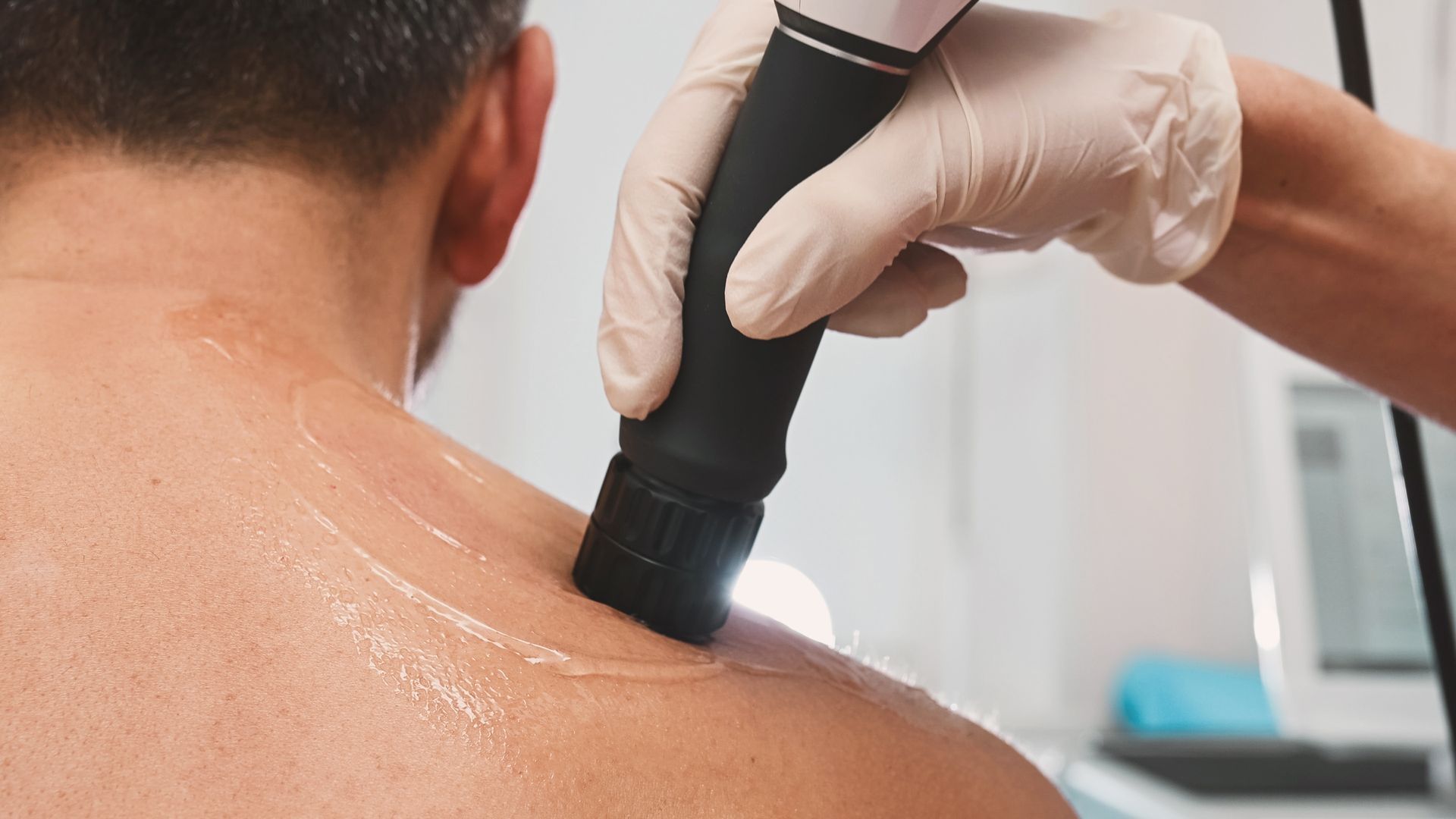
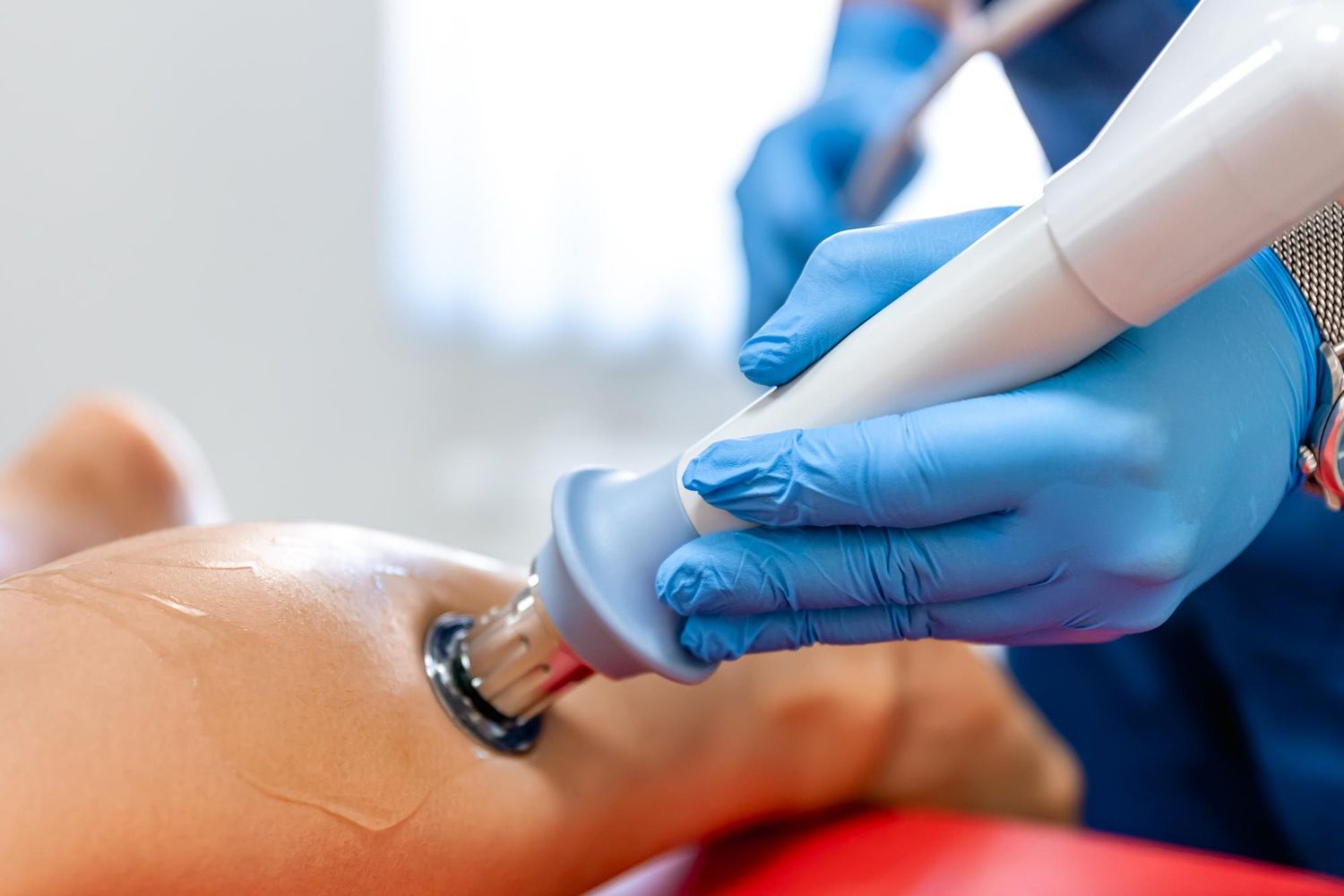
Completing a treatment cycle of low-level laser therapy often brings a welcome end to chronic inflammation. Many patients at Reform Clinics experience a significant reduction in joint discomfort and an increase in their daily mobility. However, the cellular healing initiated during your sessions continues long after you leave the clinic. Understanding proper cold laser therapy maintenance is essential to protect this new cellular energy and prevent the original pain triggers from returning.
Treating musculoskeletal injuries involves providing your cells with the chemical energy required to rebuild damaged tissue. Once that initial cellular stimulation is complete, your daily habits dictate how well those tissues adapt and strengthen. By following a structured post-treatment plan, you ensure that the reduction in nociceptor signaling remains stable. This guide outlines the exact steps needed to protect your investment in your physical recovery.
What We Cover:
- Immediate Post-Treatment Aftercare Checklist
- Daily Habits to Extend Your Healing
- Common Mistakes That Sabotage Tissue Recovery
- Recognizing When Professional Reassessment Is Needed
Immediate Post-Treatment Aftercare Checklist
How should I maintain results after cold laser therapy?
Maintaining the positive effects of your sessions involves supporting the increased ATP production occurring within your cells. The first forty-eight hours following a treatment block are highly sensitive as your body utilizes this new energy to resolve residual inflammation. Follow these specific steps directly after your clinical visits to maximize your recovery.
• Hydration Protocols: Drink extra water to help flush out the cellular waste products released during the photobiomodulation process.
• Modified Activity: Keep moving to encourage blood flow but avoid heavy lifting or high-impact sports that stress the newly treated area.
• Thermal Exposure: Avoid applying ice packs directly to the treated joint as cold constricts blood vessels and counteracts the localized circulation created by the laser.
Daily Habits to Extend Your Healing
Protecting your results over the long term requires integrating supportive movement patterns into your daily routine. Since the laser therapy has reduced your pain and inflammation, you now have a window of opportunity to build lasting muscular strength.
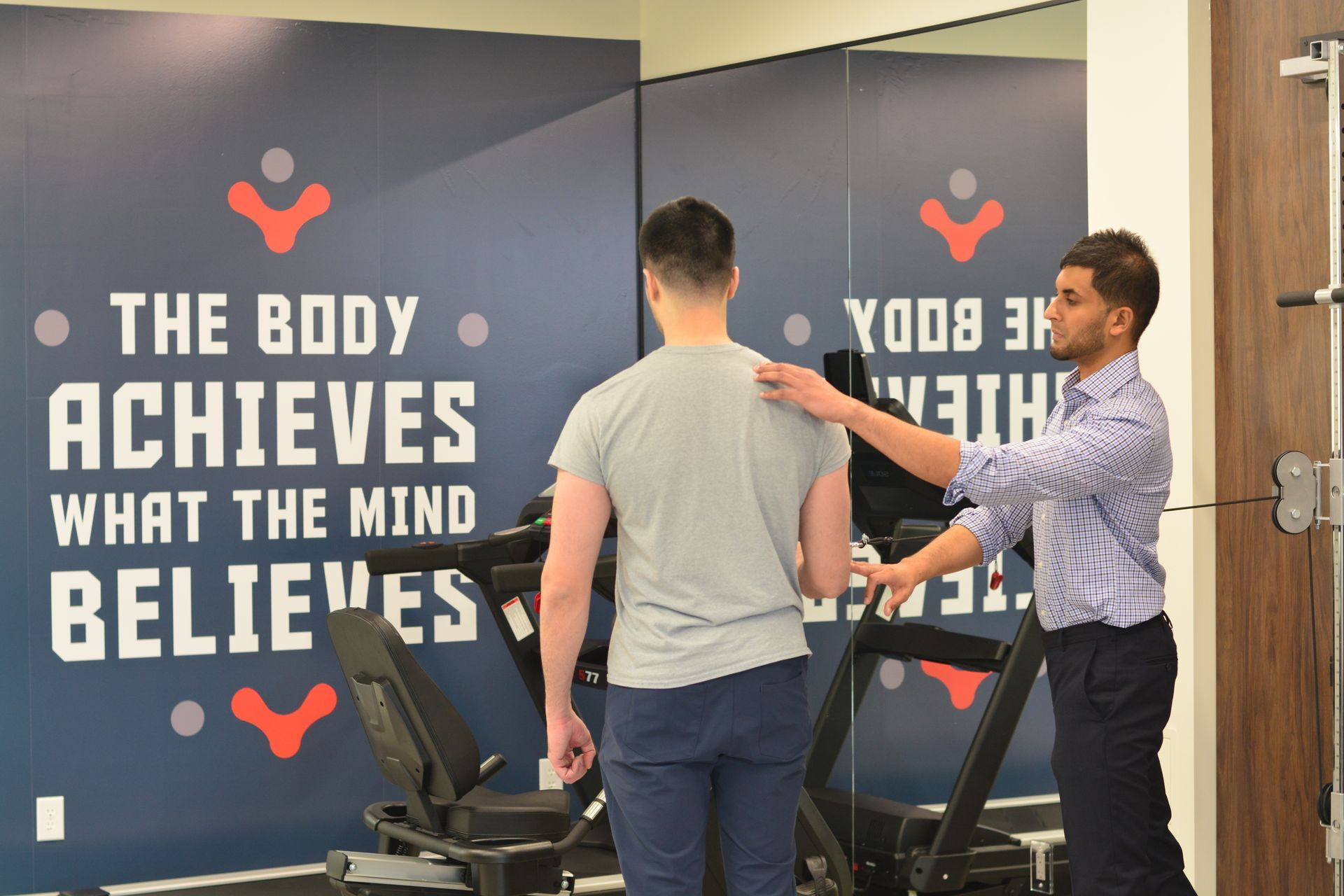
• Prescribed Exercises: Consistently perform the specific mobility and strengthening exercises provided by your clinical team to support the newly healed tissues.
• Ergonomic Adjustments: Modify your workstation or daily tasks to remove the repetitive strain that originally caused your injury.
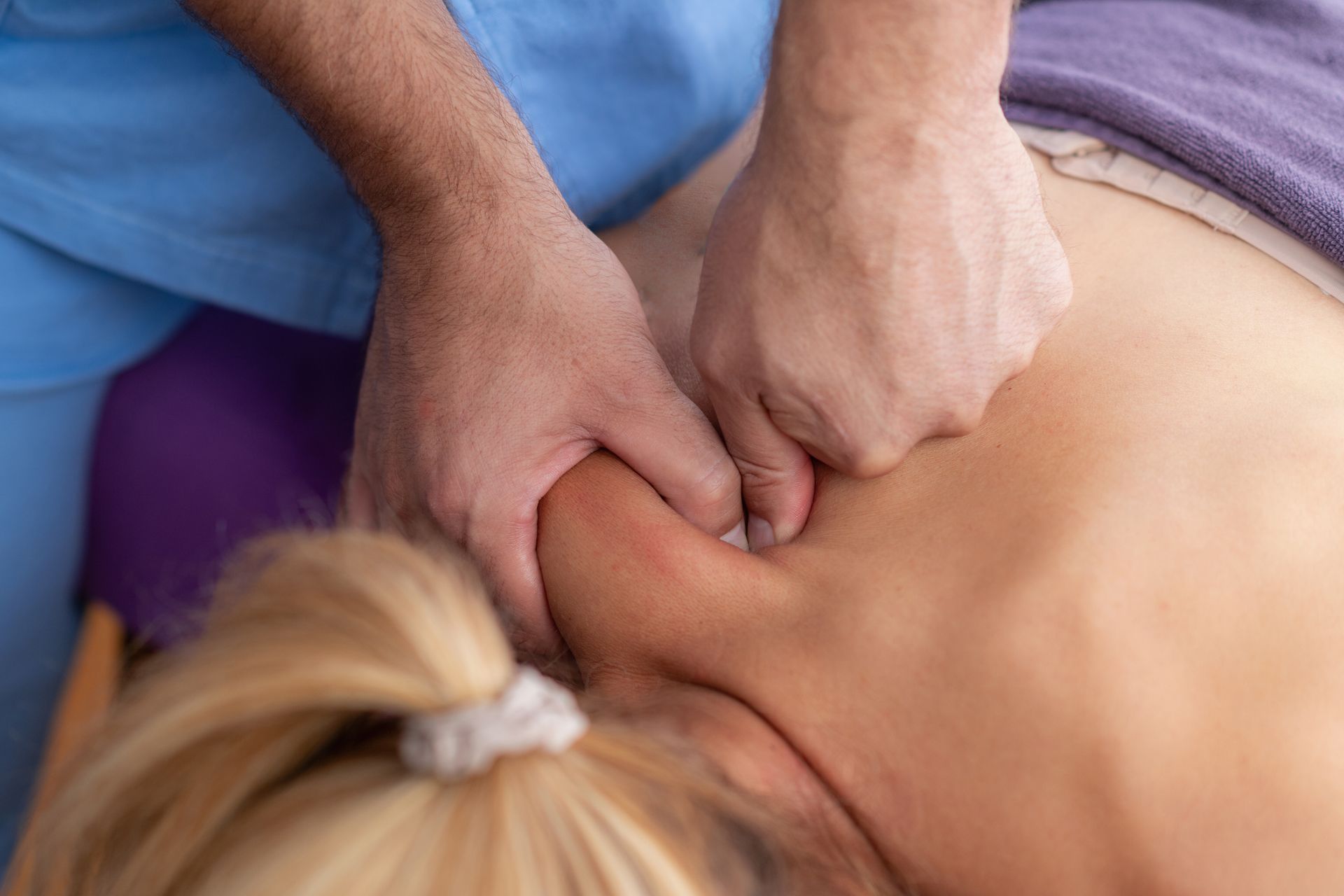
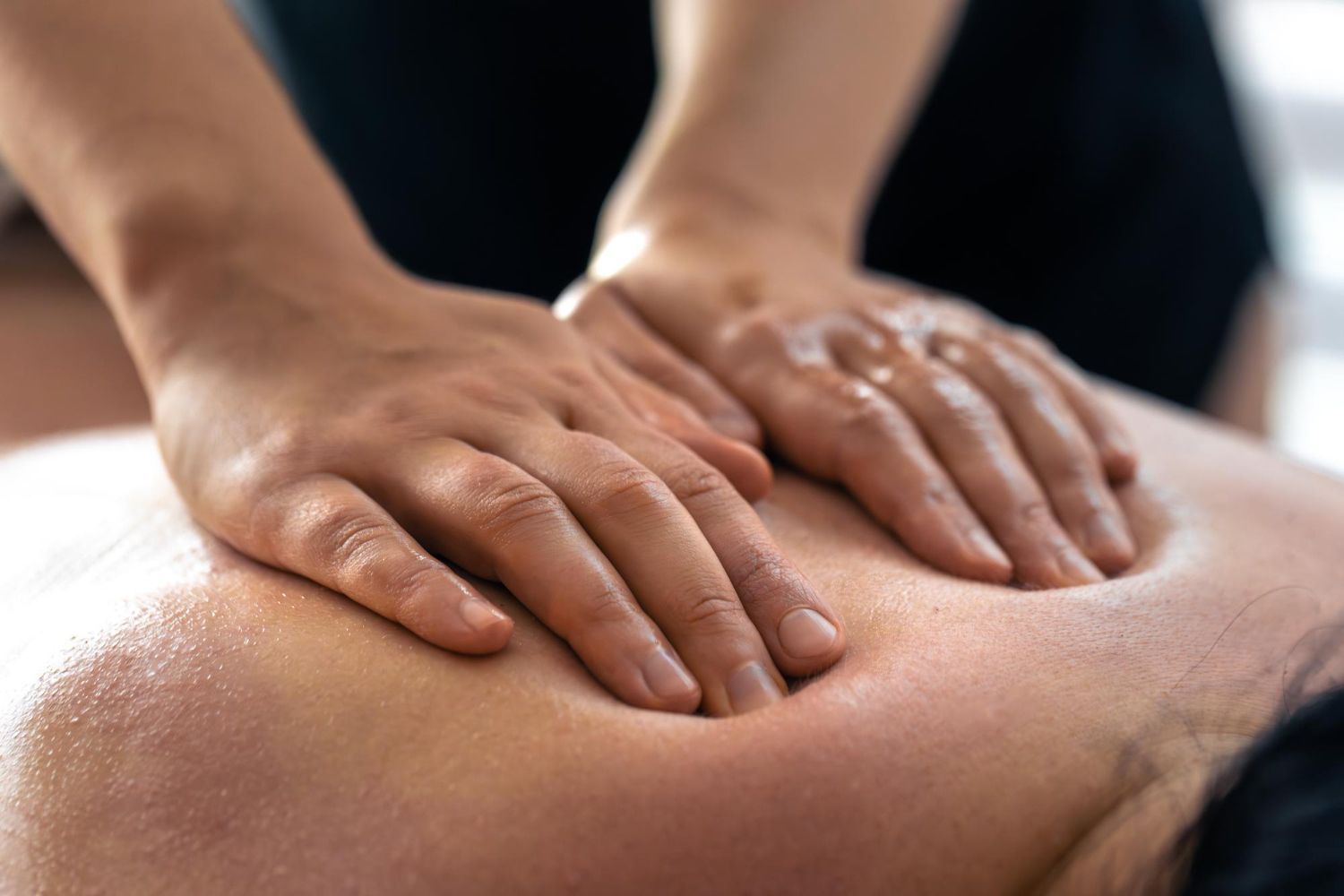
• Professional Support: Consider pairing your ongoing recovery with targeted registered massage therapy to keep surrounding muscle tissues relaxed and pliable.
Common Mistakes That Sabotage Tissue Recovery
Many patients unknowingly undo the benefits of their laser therapy by making avoidable errors during the recovery phase. Recognizing these pitfalls helps you navigate your daily life without risking a painful setback.
• Premature Loading: Returning to intense physical activity too quickly overloads the healing tissues before they have achieved full tensile strength.
► Never assume an absence of pain means the underlying tissue is completely structurally sound.
• Inconsistent Movement: Opting for complete rest causes the newly forming collagen fibers to lay down irregularly, leading to joint stiffness.
• Poor Posture Habits: Slipping back into the poor mechanical habits that created the initial inflammation will inevitably restart the cycle of pain.
Recognizing When Professional Reassessment Is Needed
Even with excellent aftercare, our Oakville patients sometimes encounter new physical stressors that warrant a return to the clinic. Monitoring your body for specific indicators ensures that minor setbacks do not evolve into major flare-ups.
• Returning Stiffness: Noticeable decreases in your range of motion that do not improve with your standard home stretching routine indicate tissue tension.
• Altered Mechanics: Finding yourself shifting your weight or altering your gait to protect a joint suggests underlying instability returning.
• New Pain Sites: Experiencing discomfort in adjacent areas often means your body is compensating for a weakness that requires clinical evaluation.
Securing Your Long-Term Physical Health
Actively supporting your cellular recovery creates a resilient foundation for a pain-free lifestyle. Following these clinical guidelines ensures that the healing stimulated by your laser sessions continues to progress naturally. Reach out to our clinic if you notice any changes in your mobility or wish to discuss adding complementary therapies to your maintenance plan.