Graston Technique for Heel Pain: Realistic Treatment Results
Managing chronic foot discomfort requires a clear understanding of what specific treatments can actually achieve. At Reform Clinics, we prioritize setting realistic expectations for patients exploring Graston technique heel pain options. Soft tissue mobilization offers significant relief for stubborn conditions when applied correctly and consistently.
Patients often enter the clinic with misconceptions about how quickly instrument-assisted therapies work. Understanding the biological process behind soft tissue repair helps you commit to the necessary timeline for recovery. A transparent approach to healing prevents frustration and leads to better long-term outcomes for our patients.
A quick look at this guide:
● The mechanics: How instrument-assisted soft tissue mobilization works
● Realistic outcomes: What structural changes actually occur
● Complete strategies: Building a protocol for lasting relief
The Mechanics of Soft Tissue Mobilization
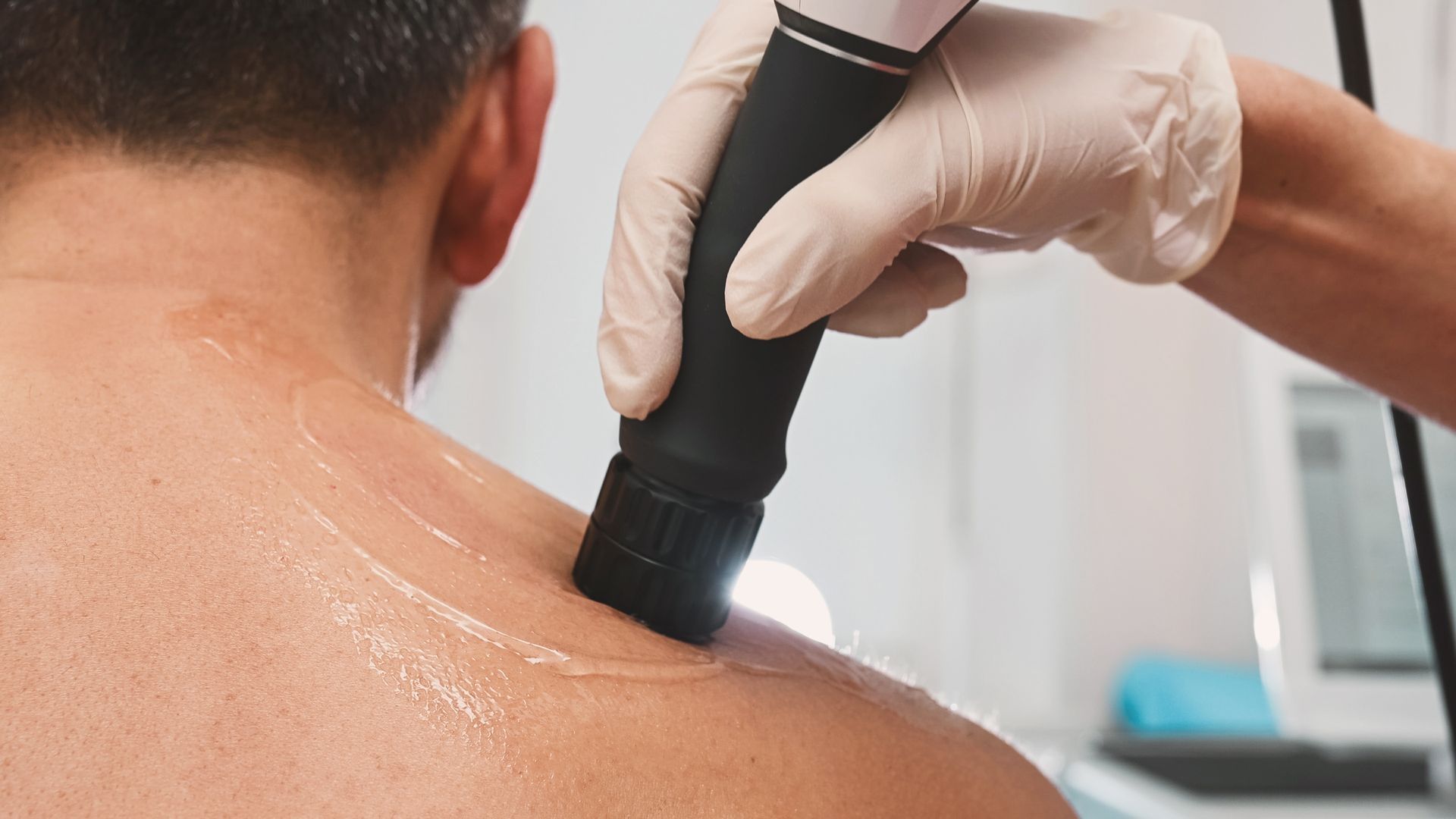
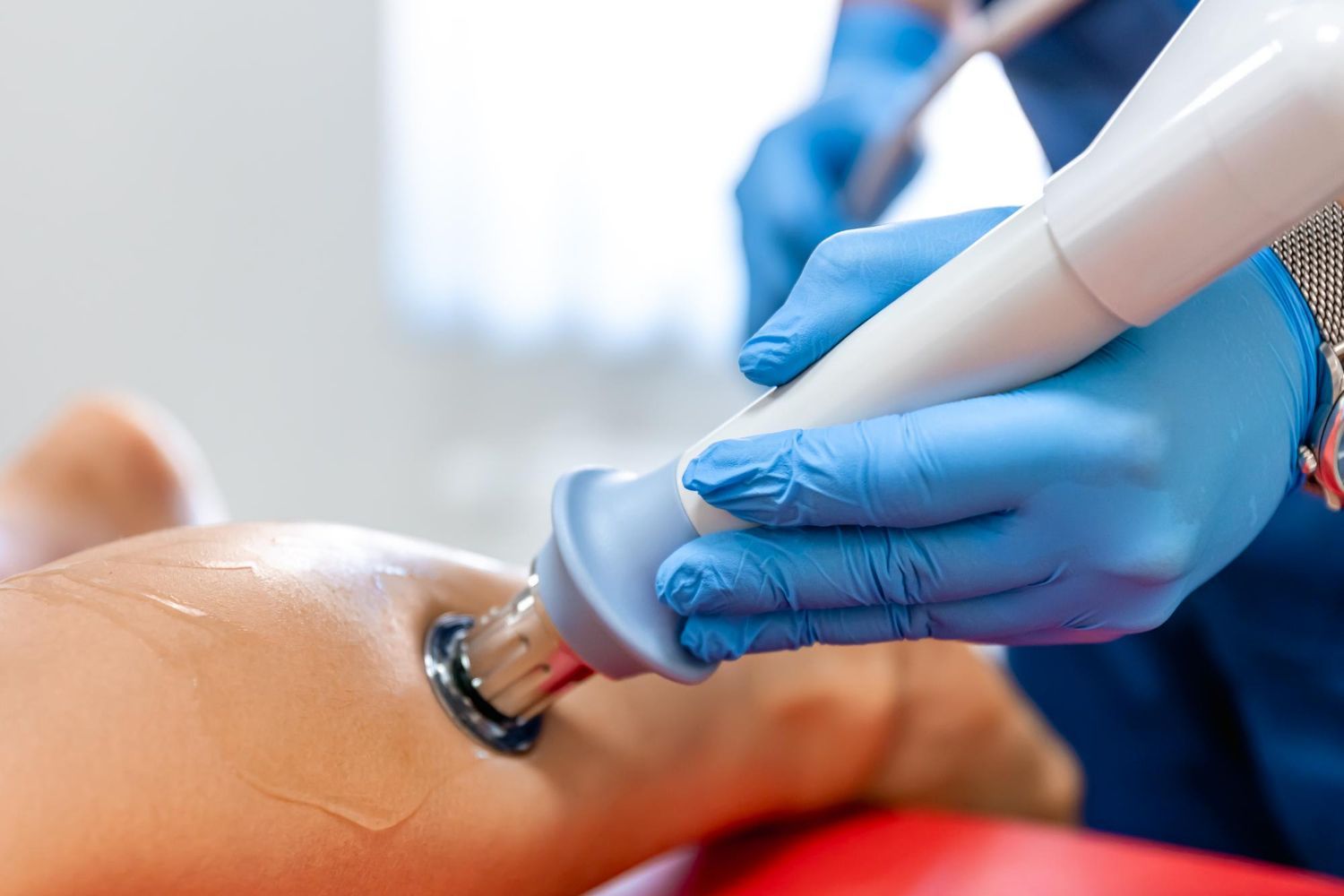
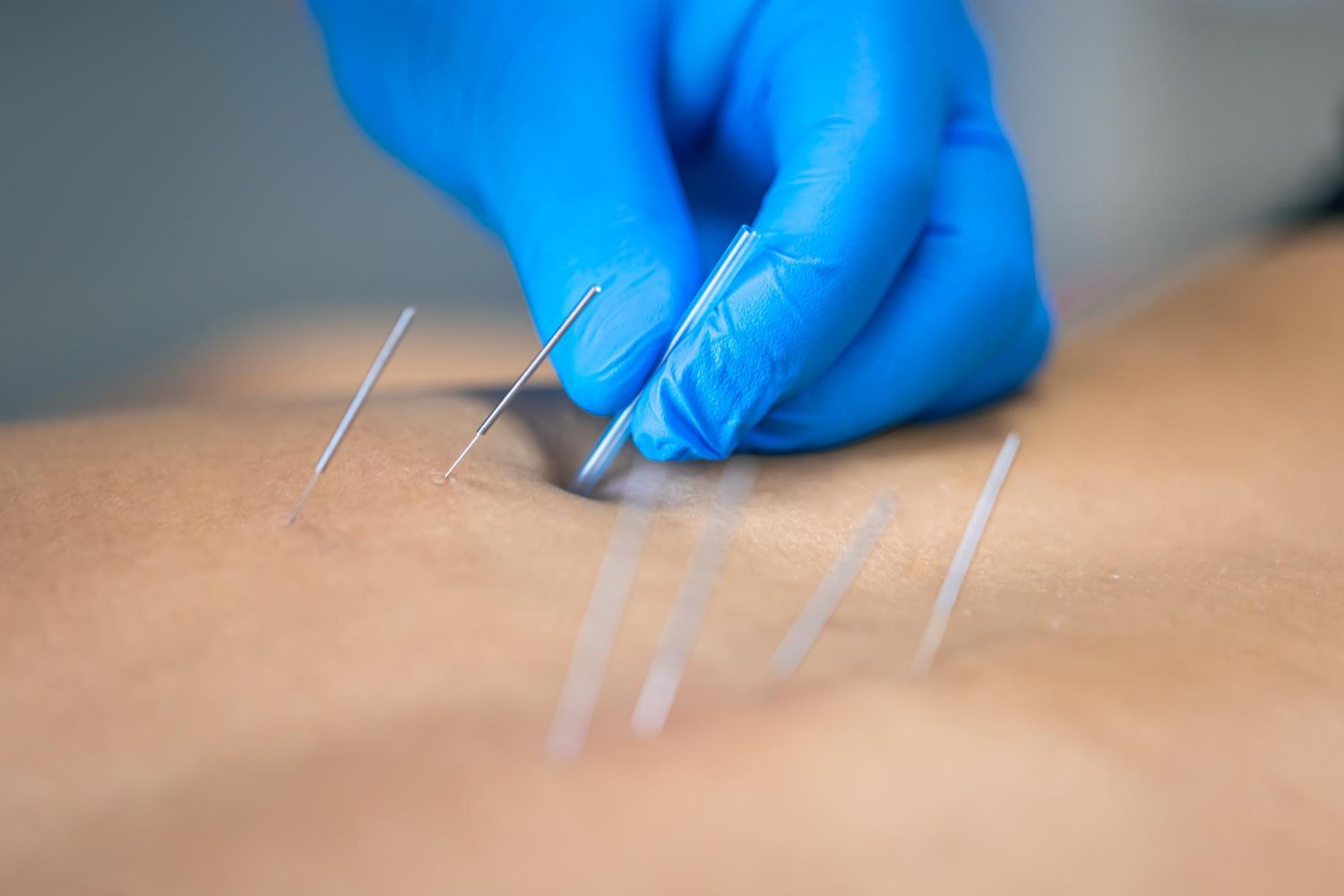
The Graston technique utilizes specialized stainless steel instruments to detect and treat areas exhibiting soft tissue fibrosis. Practitioners use these tools to introduce controlled microtrauma to the affected plantar fascia or Achilles tendon. This specific mechanical stimulation triggers a local inflammatory response that restarts the stalled cellular healing process.
A common question we hear is whether the Graston technique will permanently fix plantar fasciitis on its own. The reality is that this therapy effectively breaks down scar tissue and promotes local healing but it does not address the underlying biomechanical flaws that caused the issue in the first place. Long-term resolution requires a multifaceted approach that addresses both the tissue damage and the structural root cause.
What Actually Changes During Your Sessions
The changes that occur during a course of treatment follow a predictable clinical pattern. Patients often notice temporary redness or mild sensitivity in the treated area immediately following a session. This indicates that the necessary physiological responses are taking place beneath the skin.
● Tissue texture: The specialized instruments help smooth out fibrotic tissue restrictions over multiple sessions.
● Local blood flow: Mechanical friction increases circulation to deliver oxygen and speed up cellular repair.
● Pain perception: Patients typically notice a gradual decrease in morning heel stiffness and standing fatigue.
● Range of motion: Releasing adhered connective tissue allows the ankle joint to move more freely.
These physiological shifts take time to establish and stabilize. Most patients require several weeks of consistent application before experiencing lasting relief from their symptoms. Adhering to the recommended schedule ensures that the newly organized collagen fibers heal in the correct alignment.
Building a Complete Treatment Strategy
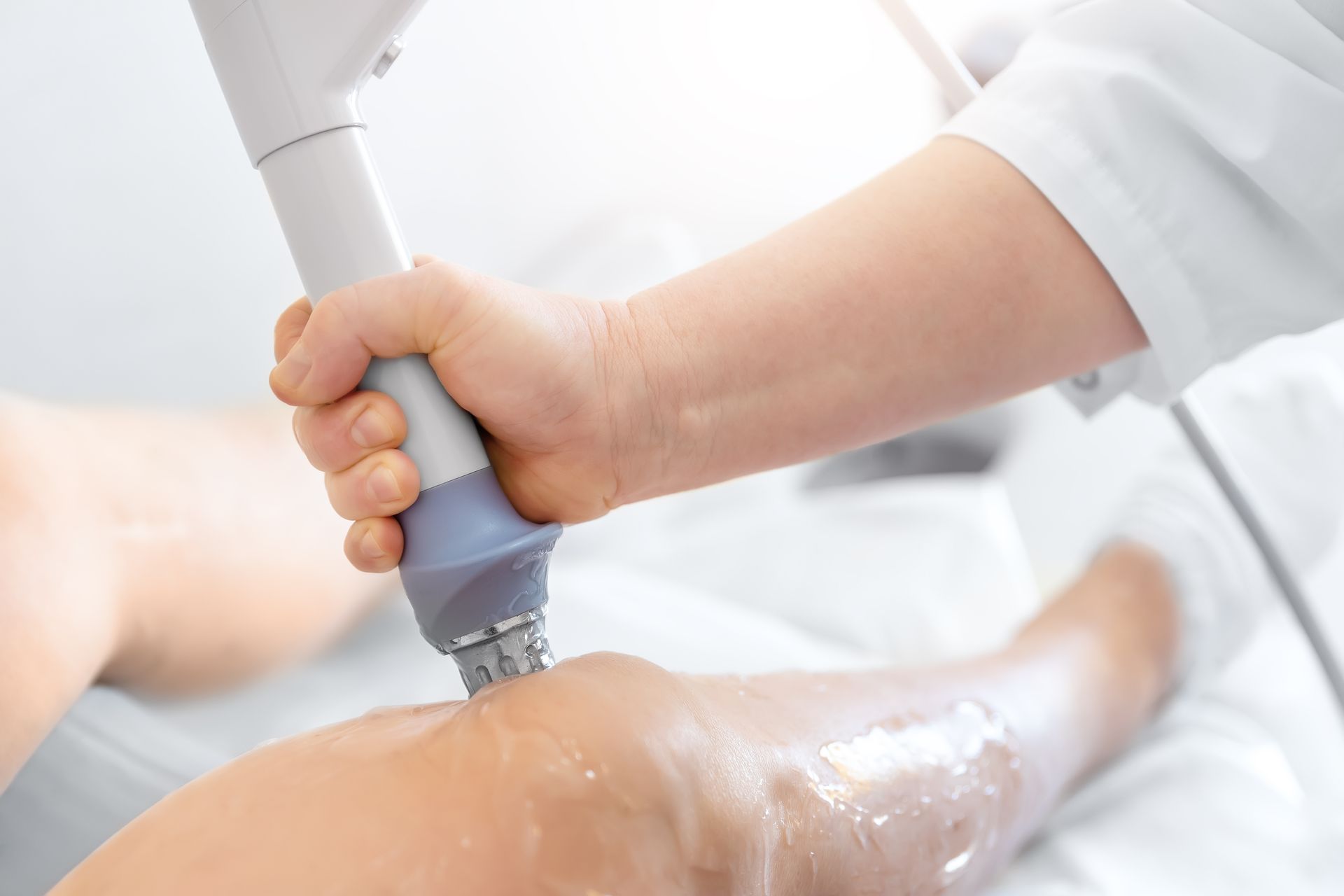
Because instrument-assisted therapy focuses strictly on soft tissue remodeling it works best alongside other clinical interventions. We frequently combine this method with shockwave therapy to provide deeper cellular stimulation for highly resistant cases of chronic tendinopathy. The two modalities complement each other by addressing different layers of tissue dysfunction.
Addressing the root cause of the strain often involves evaluating your daily movement habits and footwear. Clinicians frequently recommend custom orthotics to correct foot posture and provide proper arch support during daily activities. Incorporating targeted calf stretching and foot strengthening exercises ensures that the newly remodeled tissue can handle your regular physical load without returning to a state of chronic inflammation.
Moving Forward With Clear Expectations
Understanding the biological limits and capabilities of soft tissue mobilization helps you navigate your recovery with confidence. Combining targeted clinical treatments with proper biomechanical support provides the most reliable path out of chronic discomfort. Contact our clinic today to discuss whether this approach aligns with your specific recovery goals.