Realistic Outcomes From Registered Massage Therapy: What to Expect
Seeking out professional care for muscle tension and chronic stress is a proactive step toward better physical health. At Reform Clinics, we believe in setting clear and honest expectations for our patients from their very first visit. Understanding realistic registered massage therapy outcomes helps you stay committed to the recovery process without feeling discouraged by false promises. We want to ensure you know exactly how this holistic healing practice works to alleviate pain and improve your joint mobility.
Many people view soft tissue manipulation as just a luxury spa service rather than a targeted clinical intervention. While deep relaxation is a valid benefit, the true value of therapeutic massage lies in its ability to break down adhesions and restore normal movement patterns. Achieving lasting results requires patience, consistency, and a clear understanding of your body's biological healing timeline. Our expert therapists are here to guide you through what is actually happening beneath the surface of your skin.
In This Article:
- Addressing Common Misconceptions About Tissue Healing
- What Drives Actual Soft Tissue Changes
- Timeline and Factors Influencing Your Registered Massage Therapy Outcomes
- Frequently Asked Questions
- Committing to Your Recovery Journey
Addressing Common Misconceptions About Tissue Healing
The most common overestimation patients make is assuming a single hour on the table will permanently erase years of chronic postural strain. While you may feel incredibly loose and pain-free immediately after leaving our Oakville clinic, those tightly wound muscle fibers have a biological memory. If you return to the same desk setup or repetitive movements that caused the tension originally, your muscles will slowly revert to their guarded state.
→ From a professional standpoint: Therapeutic massage is a process of retraining your nervous system, not a quick mechanical fix.
To see permanent changes in your posture and pain levels, the soft tissues require repeated input to learn a new resting length. We encourage patients to view their clinical sessions as a cumulative investment rather than an isolated event.
What Drives Actual Soft Tissue Changes
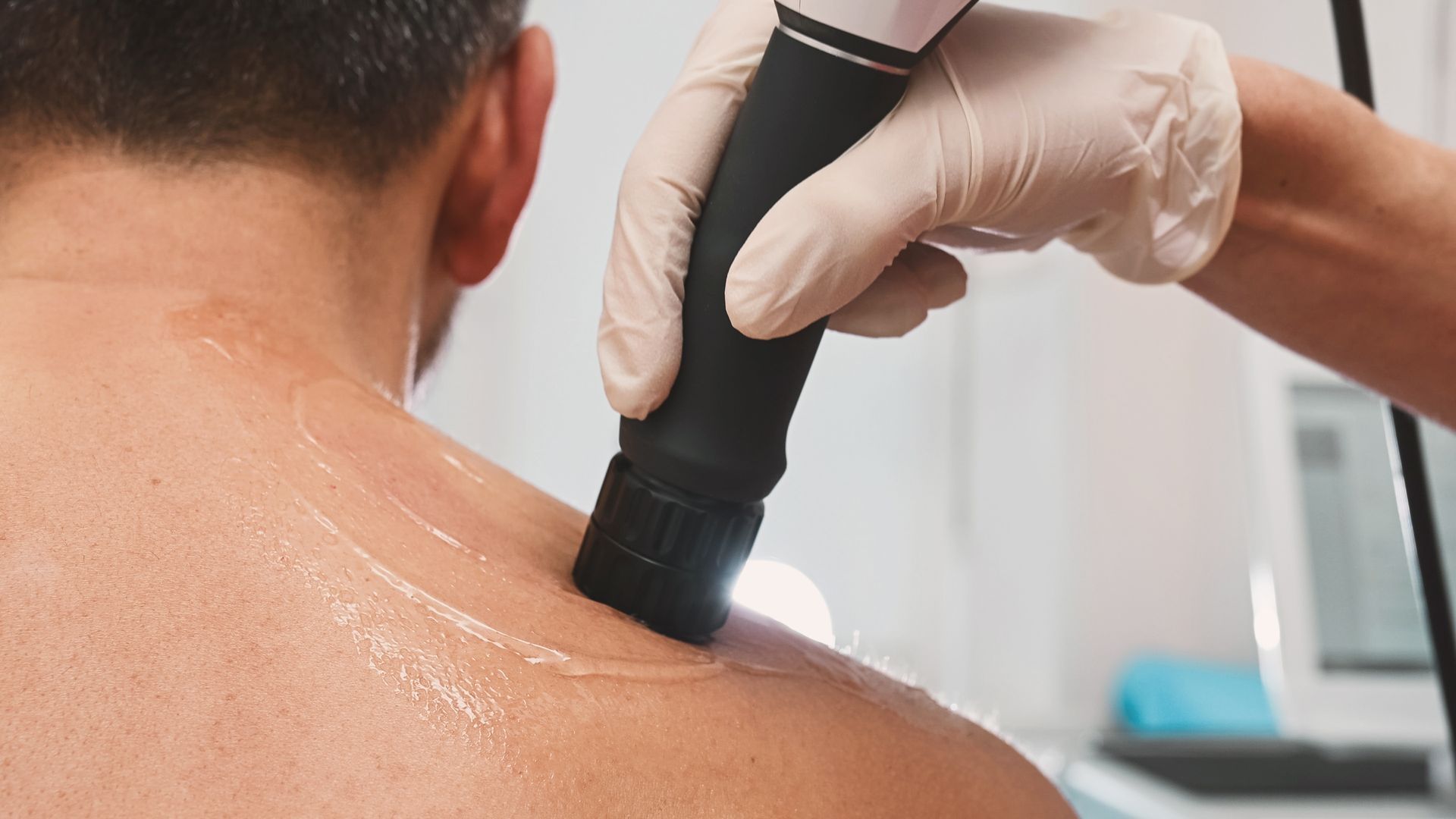
When a skilled practitioner applies targeted pressure to your muscles, they are actively manipulating the fascia and increasing localized blood circulation. This fresh blood flow flushes out metabolic waste products that naturally accumulate in tight, overused muscles. Breaking down fibrous scar tissue from old injuries allows the individual muscle fibers to glide smoothly against one another again.
→ A quick tip to remember: You might feel mild soreness the day after a deep tissue session as your body processes the physical changes.
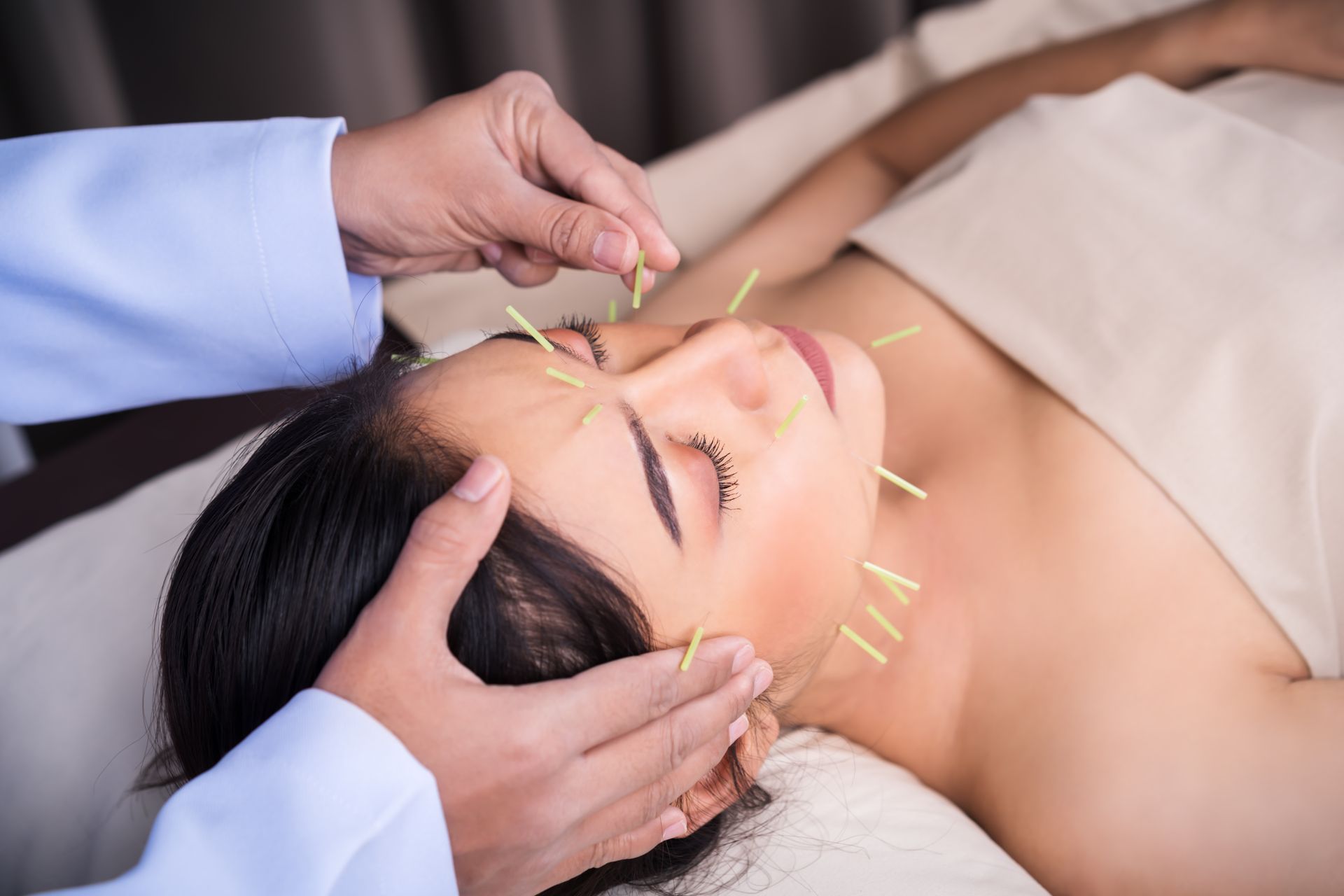
Combining this manual therapy with active treatments like acupuncture or specific mobility exercises yields the most dramatic improvements. Your therapist works to create a window of opportunity where your joints can move freely without heavy muscular restriction.
Timeline and Factors Influencing Your Registered Massage Therapy Outcomes
The speed at which you experience lasting relief depends heavily on how long you have been dealing with the muscular dysfunction. Acute muscle spasms from a recent awkward movement often resolve in just a few targeted visits. Conversely, unwinding chronic tension patterns built up over a decade of poor posture requires a more sustained treatment plan.
→ From a professional standpoint: Your daily hydration and stress levels directly impact how well your muscles respond to manual therapy.
Your active participation outside the clinic plays a massive role in your overall success. Stretching tight areas and strengthening weak muscles between appointments locks in the progress made during your manual session.
Frequently Asked Questions
How many sessions before I notice benefits?
Most patients feel immediate temporary relief in their first session due to increased blood flow and natural endorphin release. However, lasting structural changes typically require four to six consistent visits spaced relatively close together. Your therapist will assess your tissue response after the initial sessions to determine an ongoing maintenance schedule that fits your specific clinical needs.
Can massage therapy alone resolve chronic pain?
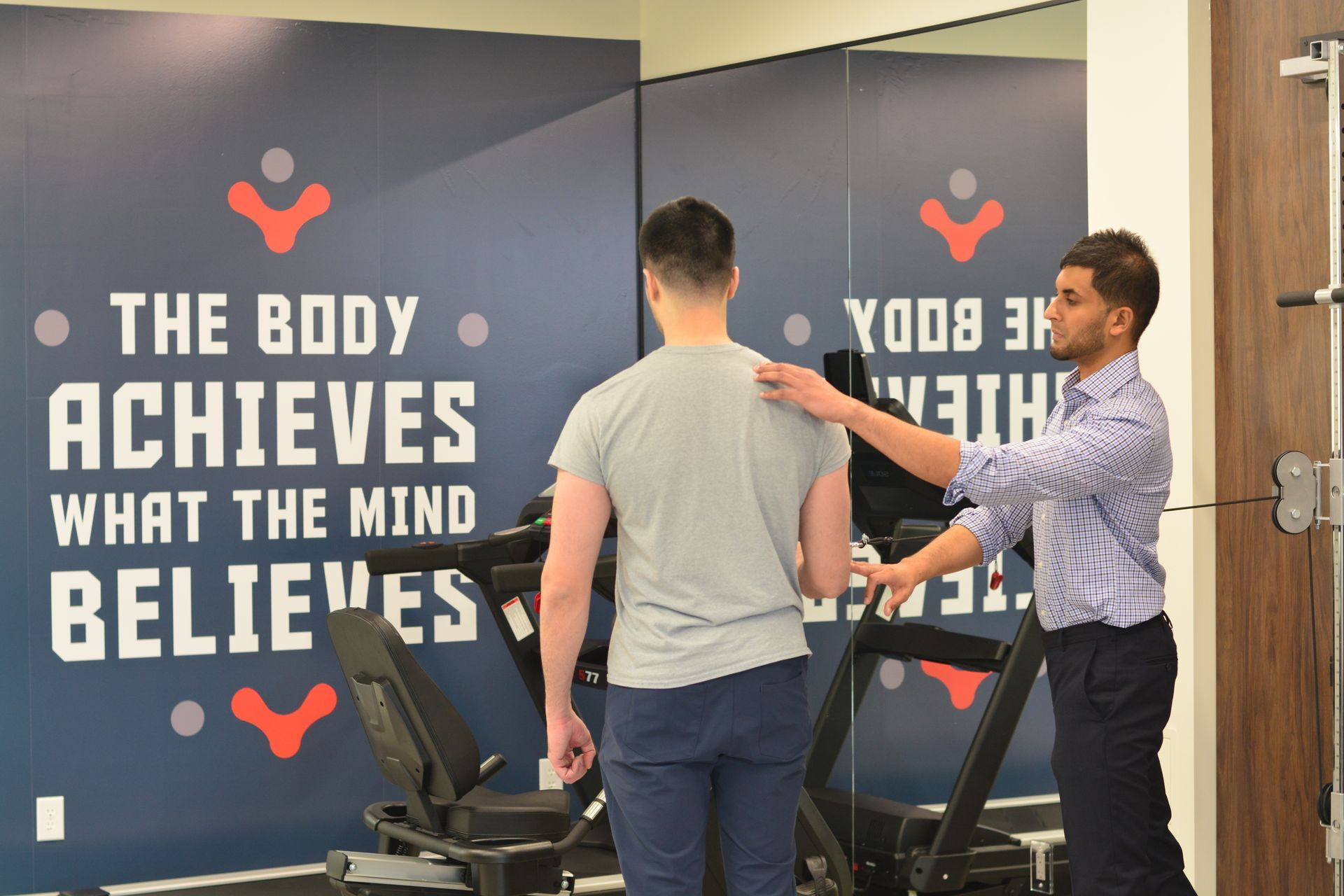
While manual manipulation is incredibly effective for muscular tension, it rarely acts as a standalone cure for complex chronic conditions. Chronic pain often involves underlying joint instability or nerve irritation that requires a multidisciplinary approach. Coordinating your soft tissue work with chiropractic care ensures that both the structural alignment and muscular support systems are addressed simultaneously.
What factors affect massage therapy results?
Your biological healing rate, daily water intake, and occupational physical demands all dictate how well your tissues respond. Patients who actively manage their daily stress levels tend to hold onto the benefits of their sessions much longer. Failing to perform prescribed home stretches will quickly cause the muscles to tighten back up between clinical visits.
Committing to Your Recovery Journey
Achieving a pain-free lifestyle requires matching the right clinical intervention with honest patient expectations. When you understand the biological processes driving your recovery, you can actively support your own tissue healing. Reach out to our expert Oakville team today to discuss your specific physical goals and begin a tailored treatment plan.