5 Insider Tips for Safe and Effective Physiotherapy Recovery
Starting a rehabilitation program is a positive step toward regaining your mobility and living a more active life. To maximize your results, it is helpful to understand how the body actually heals and adapts to therapeutic stress. At Reform Clinics, our clinical team believes that informed patients consistently achieve the best outcomes. By applying a few proven physiotherapy recovery tips, you can actively support your body as it repairs damaged tissues.
Rehabilitation is not a passive process where you simply show up and wait for the injury to resolve. Your daily habits, movement patterns, and commitment to prescribed exercises play a massive role in your progress. We guide our Oakville patients through every phase of their healing journey with clear instructions. The following advice will help you avoid common setbacks and build a stronger foundation for long-term joint health.
What We Cover:
- Tip #1: Prioritize Tissue Adaptation Over Immediate Pain Relief
- Tip #2: Maintain Consistency With Prescribed Home Exercises
- Tip #3: Communicate Honestly About Your Discomfort Levels
- Tip #4: Support Healing With Proper Hydration and Rest
- Frequently Asked Questions
Tip #1: Prioritize Tissue Adaptation Over Immediate Pain Relief
Healing a musculoskeletal injury involves remodeling tissue, which requires a gradual and controlled application of physical stress. Many patients expect a complete absence of pain immediately, but tissue adaptation takes time and cellular energy. Understanding the difference between healthy fatigue and harmful pain is vital for a successful recovery. Inflammation is a necessary phase of healing, but chronic inflammation halts progress. By applying appropriate therapeutic loads, we help transition the tissue from the inflammatory phase to the proliferative phase, where actual repair happens.
• Cellular Remodeling: Injured tendons and ligaments require controlled loading to align the new collagen fibers correctly.
• Safe Thresholds: Mild soreness after a session indicates that the tissues are adapting, whereas sharp pain suggests overloading.
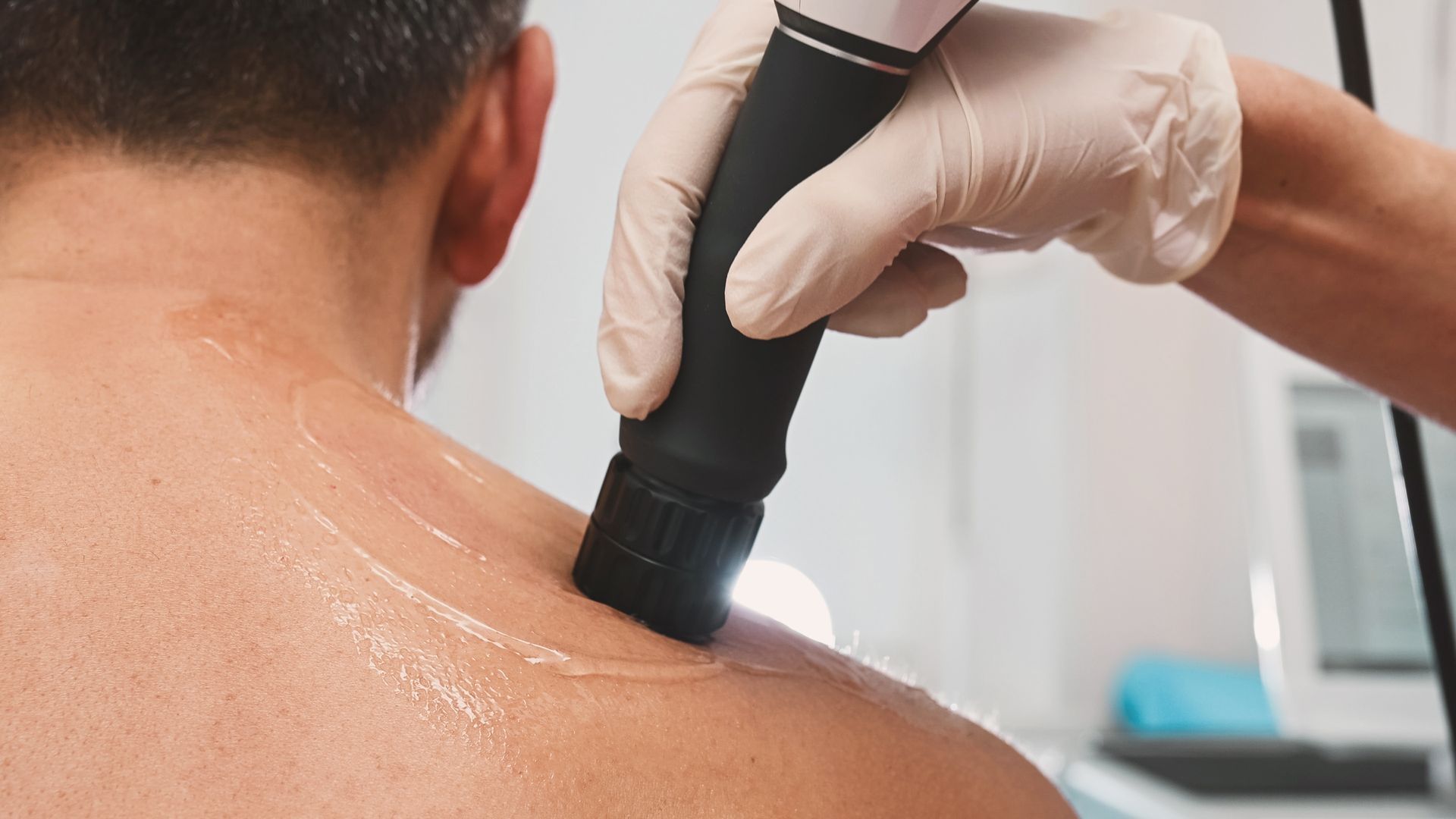
• Adjunct Therapies: We often use cold laser therapy to stimulate cellular energy and reduce inflammation during this remodeling phase.
Tip #2: Maintain Consistency With Prescribed Home Exercises
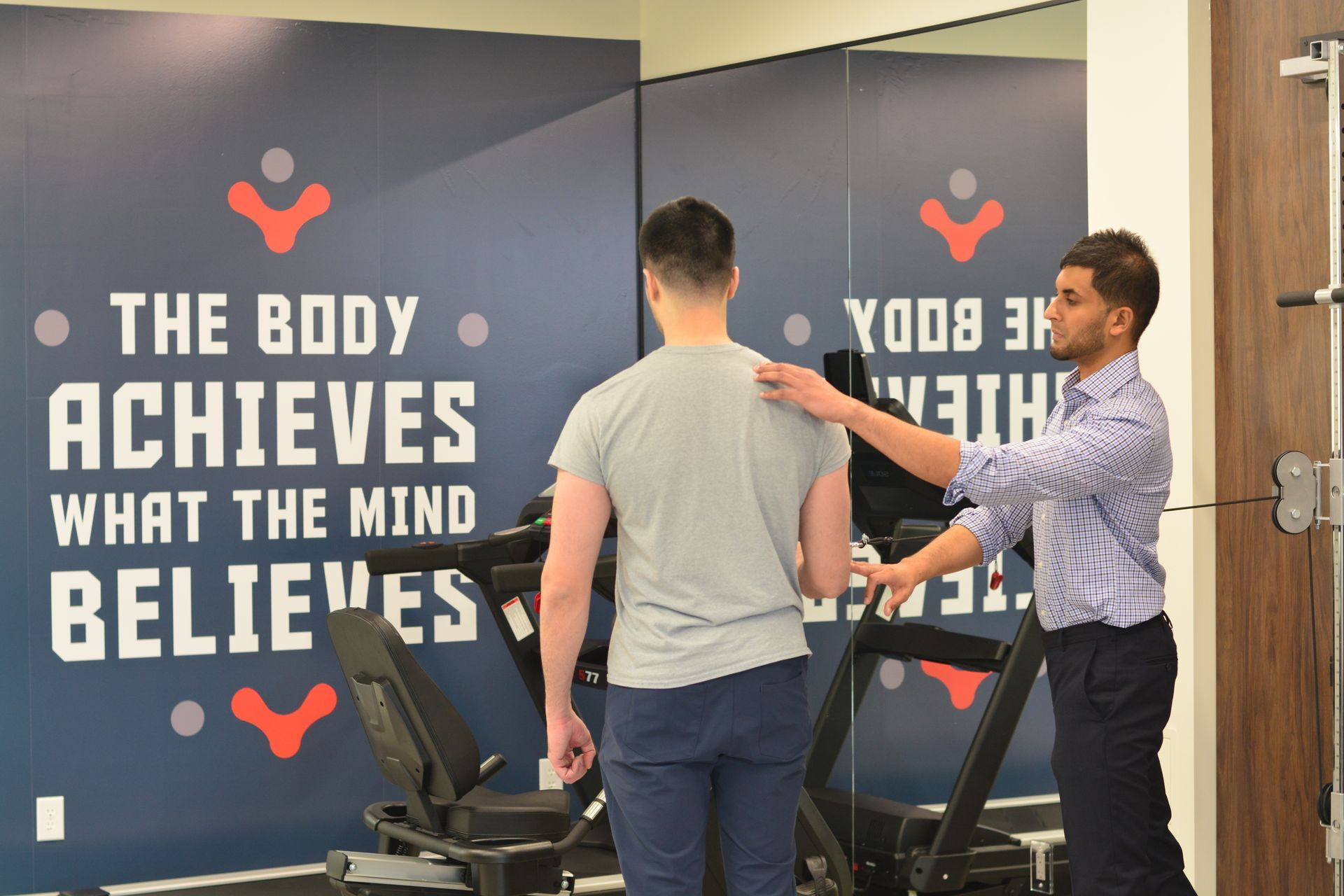
The work you do outside the clinic is just as important as the hands-on care you receive during your appointment. Your physiotherapist designs your home program to reinforce the gains in mobility and strength achieved during your session. Skipping these exercises allows the tissues to stiffen and revert to their dysfunctional patterns. Understanding the difference between mobility exercises and strengthening exercises is crucial. Mobility work restores joint range of motion, while strengthening exercises build the muscular support needed to maintain that new range.
• Motor Control: Repetition is required to retrain your nervous system to fire muscles in the correct sequence.
• Daily Progress: Performing a few focused movements daily yields better results than a single intense workout once a week.
• Gradual Progression: Your exercises will evolve as your strength improves, keeping your recovery on a steady upward trajectory.
Tip #3: Communicate Honestly About Your Discomfort Levels
Your clinical team relies on your feedback to calibrate the intensity of your treatments and exercises. Hiding pain to push through a session can trigger protective muscle spasms that delay your progress. Open communication allows your physiotherapist to adjust the plan and utilize different modalities if needed.
• Objective Feedback: Tell your provider exactly when and where you feel discomfort during specific movements.
• Treatment Adjustments: If an exercise aggravates your injury, we can modify the angle or reduce the resistance.
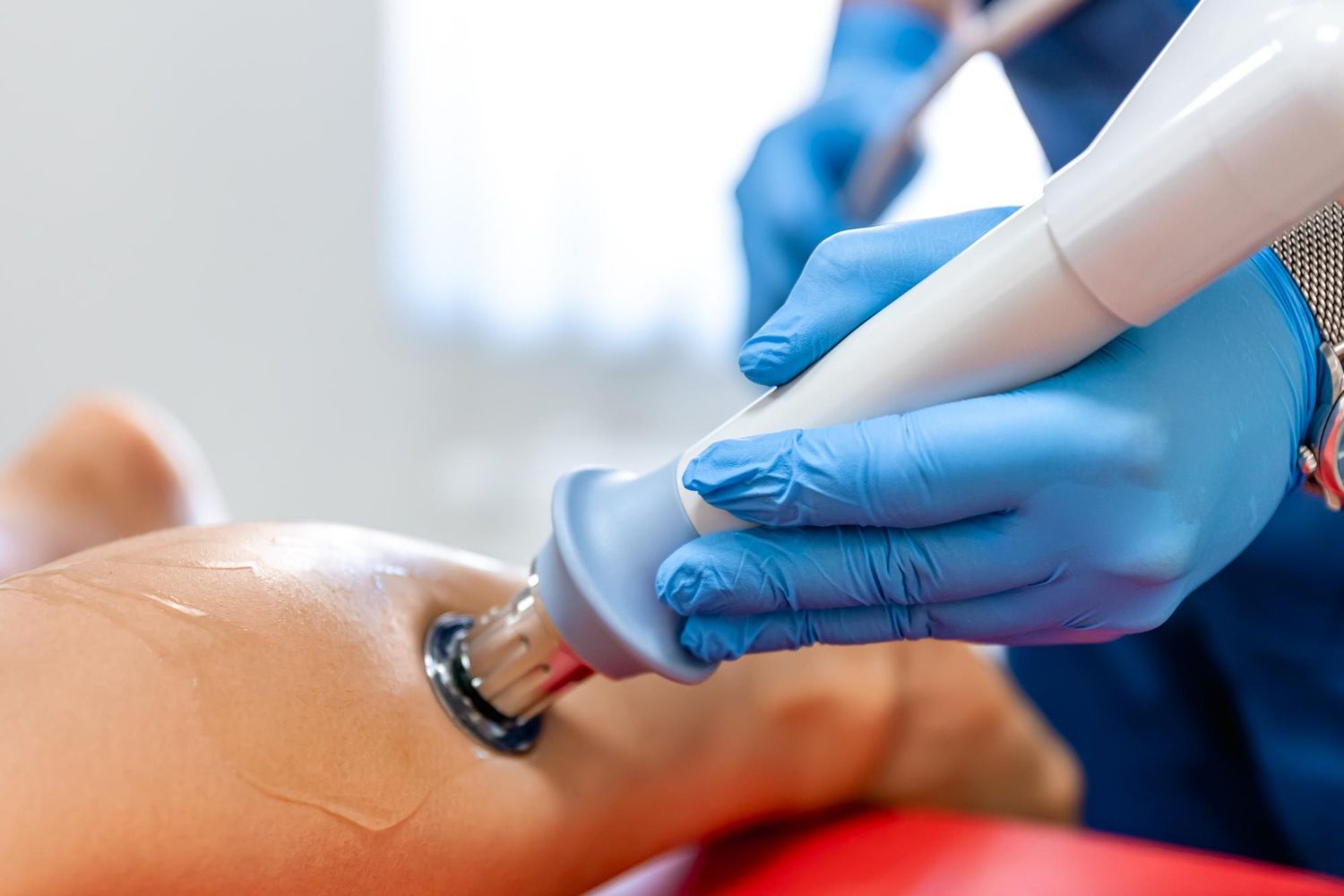
• Specialized Interventions: Persistent tendon issues might benefit from incorporating shockwave therapy into your care plan for deeper tissue repair.
Tip #4: Support Healing With Proper Hydration and Rest
Physical rehabilitation places increased metabolic demands on your body as it rebuilds damaged structures. Adequate hydration ensures that vital nutrients reach the injured area and metabolic waste products are flushed away efficiently. Sleep is equally important because the majority of tissue repair and cellular regeneration occurs during deep rest.
• Synovial Fluid: Staying hydrated helps maintain the fluid that lubricates your joints and reduces friction during movement.
• Sleep Quality: Aim for uninterrupted rest to maximize the release of natural growth factors essential for soft tissue recovery.
• Activity Modification: Balancing activity with adequate downtime prevents you from depleting the energy reserves needed for healing.
Frequently Asked Questions
How long does it take to see results from physiotherapy?
The timeline for recovery depends heavily on the type of tissue injured and the chronicity of the condition. Muscle strains often show significant improvement within a few weeks due to their rich blood supply. Tendons and ligaments have poorer circulation and typically require six to twelve weeks of consistent loading to remodel fully. We monitor your functional baselines continuously to ensure the treatment trajectory remains on target. Your active participation in modifying daily activities also dictates how quickly these tissues can regenerate.
What should I avoid during physiotherapy?
You should avoid absolute rest unless specifically directed by your healthcare provider, as complete inactivity leads to rapid muscle atrophy and joint stiffness. It is also important to avoid pushing through sharp, localized pain during your home exercises. Continuing to stress an inflamed joint past its current tolerance level can restart the inflammatory cascade and delay cellular repair.
What makes a physiotherapy plan truly personalized?
A truly personalized plan is built upon a detailed biomechanical assessment rather than a generic protocol for a specific body part. It factors in your daily physical demands, occupational hazards, and personal baseline for strength and mobility. Our clinicians continually adjust your exercises and manual therapies based on how your nervous system responds to the previous session.
Reaching Your Rehabilitation Goals
Taking an active and informed role in your recovery process leads to stronger, more resilient tissues. Applying these clinical strategies ensures that your hard work translates into meaningful physical improvements. Reach out to our Oakville clinic today to schedule an assessment and begin your structured rehabilitation program.